
 19 June 2026
By Beyond Destination
Mauritius has become one of the most sought-after destinations in the Indian Ocean — and it's easy to see why.
Picture lagoons so clear you can count the fish from your boat, sugar cane fields stretching toward towering volcanic peaks, and a culture that blends French, Indian, African and Chinese influences into something truly one of a kind.
Whether you're planning a honeymoon, a family trip or a solo adventure, here is everything you need to plan your journey — when to go, where to stay, and the apps that will make your visit seamless.
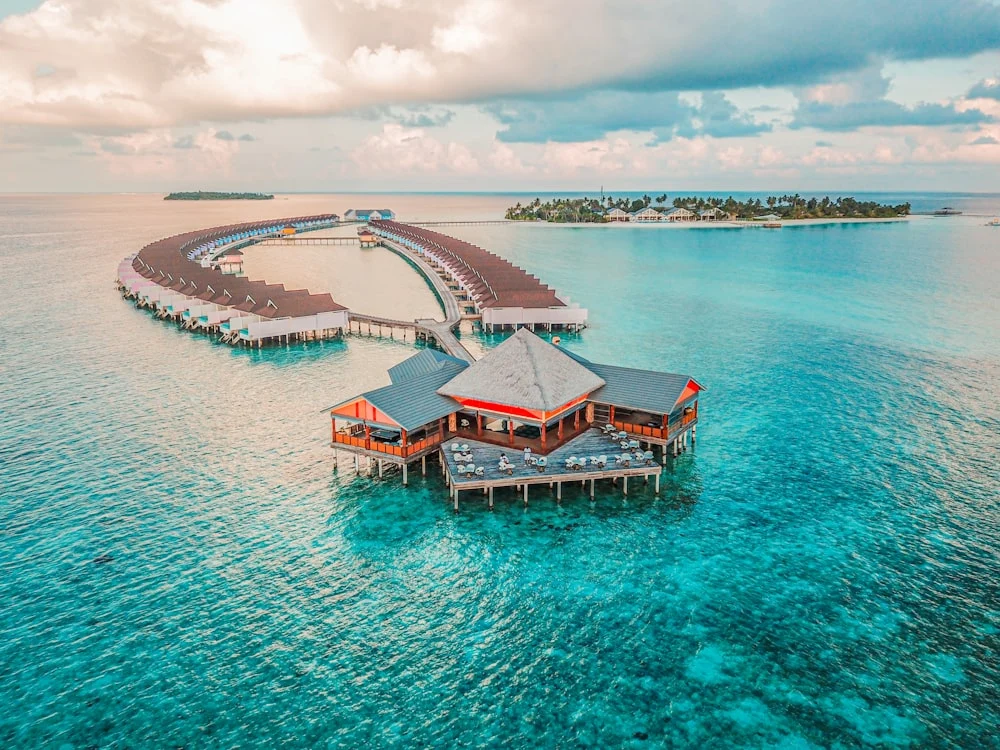
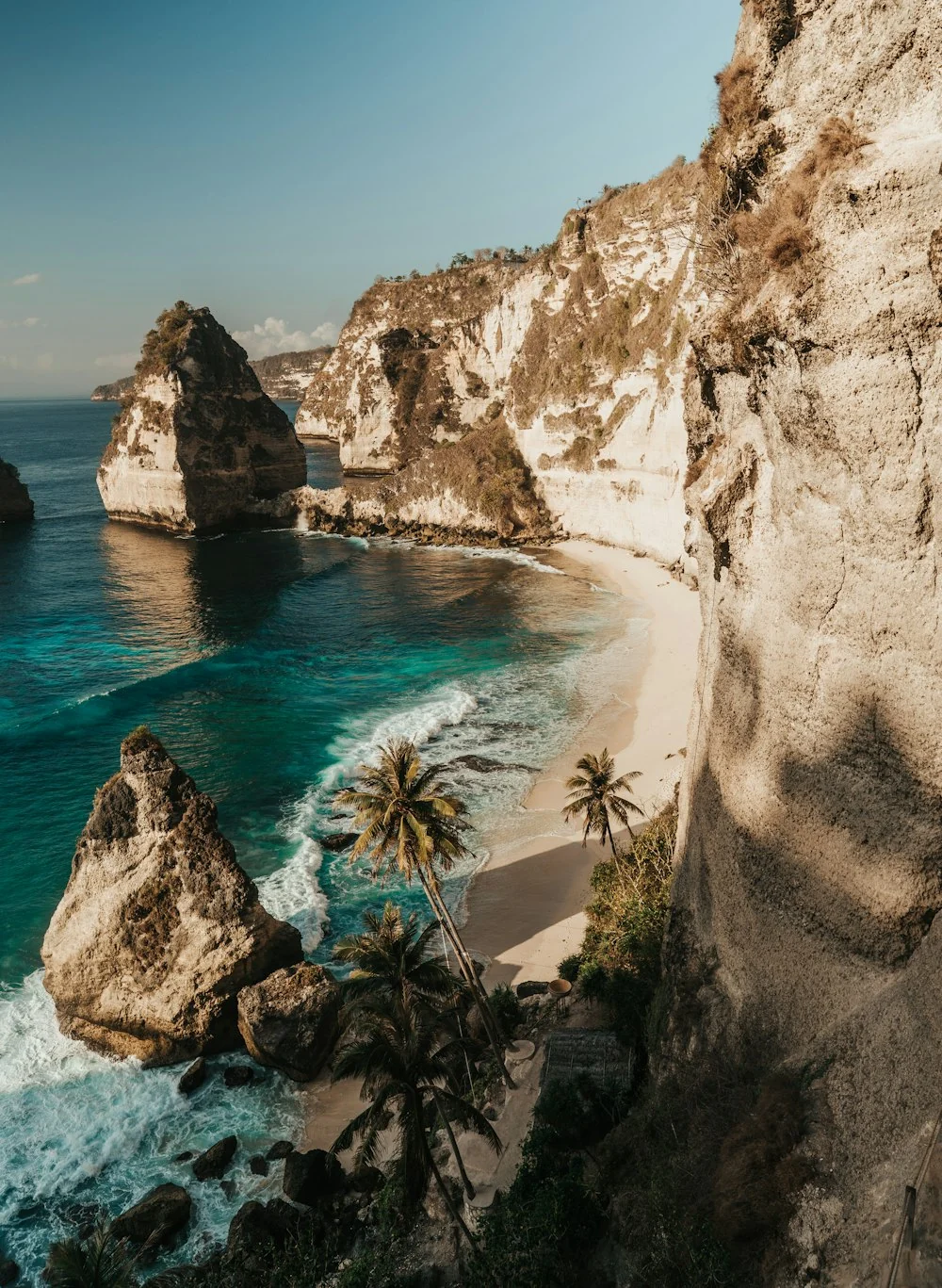
From the silky-soft sands of Belle Mare on the east coast to the dramatic slopes of Le Morne Brabant in the southwest, Mauritius offers a beach for every mood. Le Morne, a UNESCO World Heritage Site, is especially breathtaking — a basalt mountain rising straight out of the lagoon, surrounded by some of the best kitesurfing conditions in the world. For a quieter experience, head to Île aux Cerfs, a small island reachable only by boat, where the water shifts between turquoise and sapphire depending on the light.
Mauritius is a year-round destination, but the right season depends on what you're looking for:
Hotel prices in Mauritius vary widely by season and location. Here is a realistic breakdown (per night, double room, in US dollars):
Tip: Book 3–4 months ahead for July–August and December, as the best mid-range options sell out early.

Yendi – Mauritius's best-known local ride app, working much like Uber. It offers clear, pre-set fares, making it a more reliable and convenient choice than traditional taxis, especially outside tourist areas and hotels.
Google Maps / Maps.me – Essential apps for travelling in Mauritius. We recommend downloading offline maps before you arrive, especially if you plan to rent a car or visit areas far from the main towns.
MyT Money / Juice by MCB – Local payment and financial service apps that make it easy to pay by phone. They can be useful for travellers staying longer or who want to deal with local shops and markets comfortably.
Triposo or other travel guide apps – They provide tourist information and guides to places, restaurants and beaches, with offline access, helping you explore the destination easily at any time.
WhatsApp – The most widely used means of communication in Mauritius, whether with tour organisers, drivers or some accommodations. It's best for confirming bookings and for quick contact during your trip.
XE Currency – A practical app for tracking Mauritian rupee (MUR) exchange rates and converting currencies instantly, especially when shopping or paying cash at local shops and vendors.
What sets Mauritius apart isn't just its landscapes — it's its people. Centuries of migration from India, Africa, China and Europe have created a uniquely multicultural and tolerant society. You'll hear Mauritian Creole, French and English spoken interchangeably, and you'll taste it too: dal puri (flat lentil bread) sold on every street corner alongside French-inspired seafood and Cantonese-style noodles. Don't miss the Central Market in Port Louis to experience local life, or the colourful Hindu temple at Grand Bassin, a sacred crater lake that is among the holiest sites outside India.
Inland Mauritius is every bit as impressive as its coast. Black River Gorges National Park offers hiking trails through tropical rainforest with views stretching all the way to the sea. The Seven Coloured Earths in Chamarel are a small but striking geological formation where volcanic soil has eroded into layers of red, purple and deep yellow. For thrill-seekers, try canyoning at the Tamarind Falls or a catamaran cruise along the south coast, where dolphin sightings are almost a daily occurrence.
Mauritius rewards travellers who want more than a postcard — it's a destination where natural beauty meets cultural depth. If you're ready to explore the Indian Ocean's hidden secret, browse our hand-picked group trips or get in touch for a tailor-made Mauritius itinerary built around what matters most to you.